A country of 600,000 people held Spain to a draw at the 2026 World Cup. And the world asked: who is Cape Verde?
A man stood motionless in the stands at every DR Congo match, dressed in a formal suit with one arm raised, and the world asked: who is he supposed to be?
A striker who survived an acid attack that nearly blinded him wore the Congolese jersey on the biggest stage in sport, and the world asked: what happened to him?
Football did something that decades of textbooks, documentaries, and history classes failed to do. It made the world curious about Africa. Not as a charity case. Not as a development project. As nations with histories so deep and so deliberately erased that most people had never heard the names of the leaders who built them.
The 2026 World Cup didn’t just showcase African football. It became a gateway to African history that nobody was teaching.
Cape Verde: 600,000 People and a Dream
Cape Verde is an archipelago of ten volcanic islands off the west coast of Africa. Population: roughly 600,000. That’s smaller than most cities. They have no massive domestic league. No population comparable to football superpowers. No financial resources to compete with the Spains and Uruguays of the world.
And at the 2026 World Cup, they were placed in a group with Spain, Uruguay, and Saudi Arabia. On paper, they had no business being there.
They held Spain to a draw. They drew with Uruguay. They advanced to the knockout stage. They lost 3-2 to Argentina in a match that had the entire footballing world on its feet. A country of 600,000 people, going blow for blow with Messi’s Argentina, and nearly pulling it off.
That’s not just an underdog story. That’s a statement about what’s possible when a nation believes in itself beyond what the numbers say it should.
Vozinha: The Soul of Cape Verdean Football
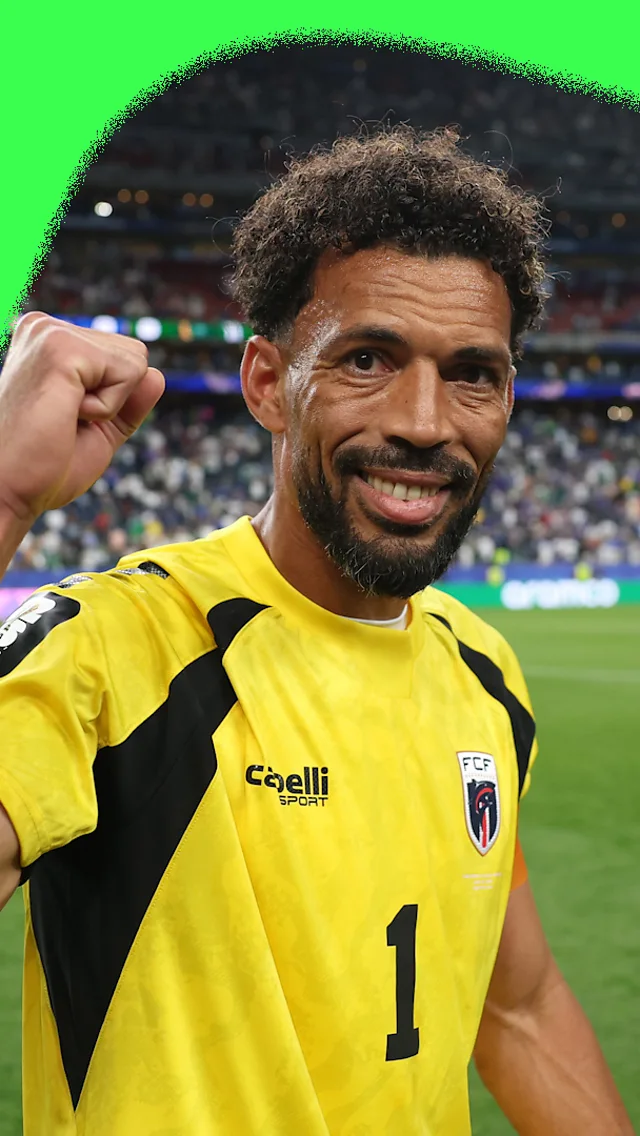
If you want to understand Cape Verde, start with Vozinha.
Real name: Josimar José Évora Dias. Born in 1986 on the island of São Vicente. His parents wanted to name him Valdano, after the Argentine footballer, but Cape Verdean authorities wouldn’t allow it. So they named him Josimar, after a Brazilian full-back from the 1986 World Cup. His grandparents raised him because his father was in the military and his mother had to work. They called him Vozinha. The name stuck.
After the Spain match, social media exploded with claims that Vozinha was a bus driver and an electrician who played football on the side. The story went viral because it was perfect: a working man becomes a World Cup hero. Fact-checkers later noted there was no verified evidence of those specific jobs. But the real story doesn’t need embellishment. Vozinha has spent nearly two decades as a professional footballer in leagues most people have never heard of. Angola. Moldova. Slovakia. Cyprus. Portugal’s second division. Not the glamour leagues. Not the big money. The kind of career where you’re a professional but nobody outside your city knows your name.
He had 50,000 Instagram followers before the tournament started. After the Spain match, where he saved seven shots and kept a clean sheet at 40 years old against the world’s number two ranked team, that number jumped to 5 million overnight. As of right now, 24 million. The most followed goalkeeper in the history of the sport. A man from São Vicente who played in Moldova.
At the 2026 World Cup, he produced saves that kept Cape Verde competitive against some of the strongest teams on the planet. He held Spain to a draw. He held Uruguay to a draw. He held Saudi Arabia to a draw. Cape Verde didn’t lose a single match in 90 minutes at their first ever World Cup.
Then came Argentina. Messi scored in the 29th minute. Cape Verde fought back. Twice. Forced the defending champions into extra time. In the 73rd minute, Vozinha made a save on a Messi free kick that had no business being stopped. Eight saves total. Argentina won 3-2 in extra time.
At 40 years old, the man who’d played in Moldova and Cyprus and Portugal’s second tier was standing on the same pitch as his idol. During the 2022 World Cup, he’d watched Messi on television like millions of others, dreaming of sharing a pitch with him. Four years later, that dream became real. In Miami. On July 3rd, 2026.
He lost. But he left the field with his head held high. And 24 million people who’d never heard of Cape Verde a month earlier now knew Vozinha’s name. The most followed goalkeeper ever. From a country of 600,000.
Roberto Lopes: The Diaspora Captain
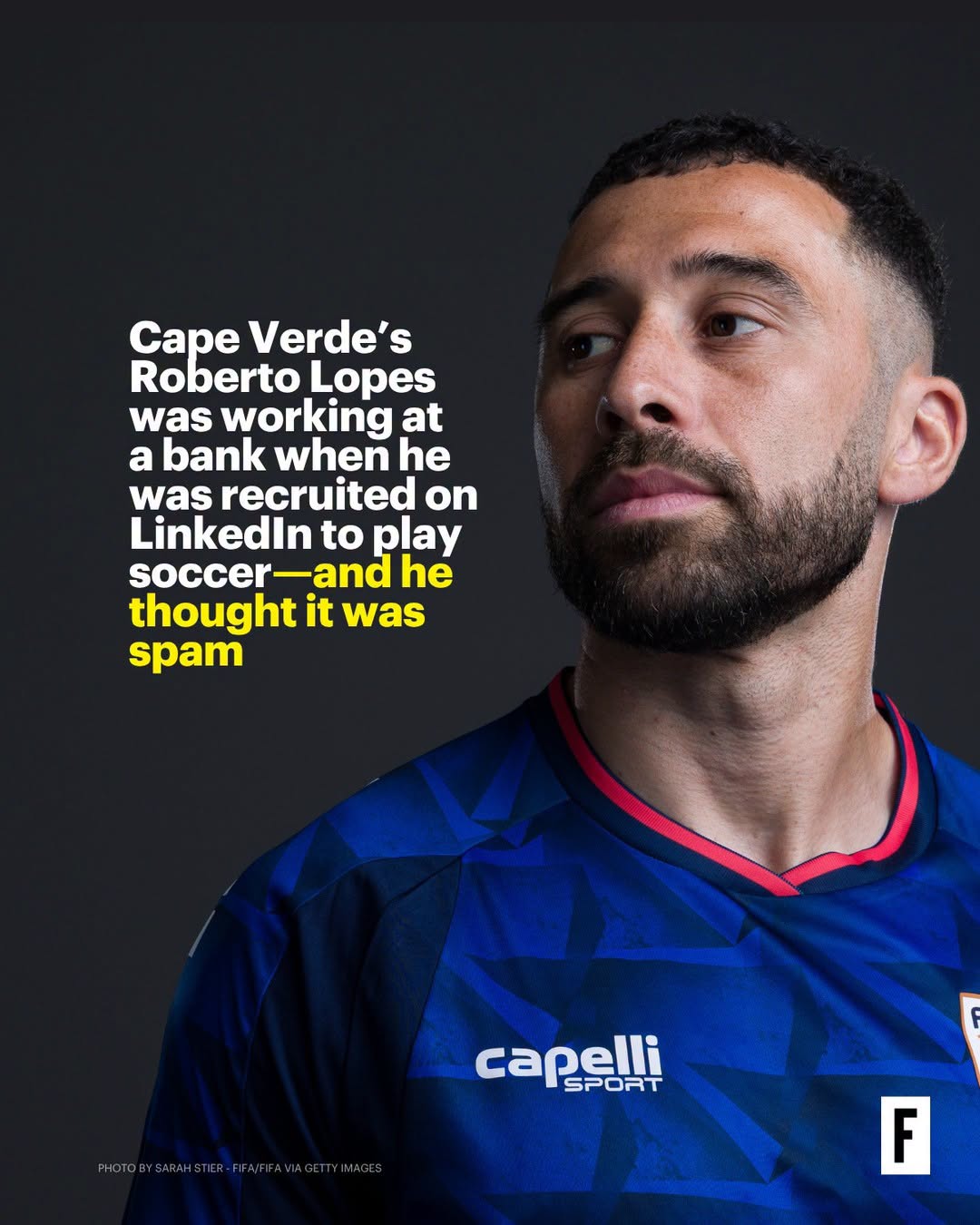
The captain of Cape Verde was born in Dublin, Ireland. Let that sit.
Roberto “Pico” Lopes. Parents are Cape Verdean. Grew up in Ireland. Worked in banking while playing football before going fully professional. And when it came time to choose which country to represent, he chose Cape Verde. Not Ireland. Not the country where he was born and raised. The country his parents came from. The country he’d never lived in but always belonged to.
That choice represents something bigger than football. The Cape Verdean diaspora is spread across Portugal, France, the Netherlands, the US, and beyond. Many of them have never lived on the islands. But the connection remains. Lopes captaining Cape Verde at the World Cup is the embodiment of that connection. A man born on the other side of the world, leading a nation of 600,000 onto the biggest stage in sport, because identity isn’t about where you were born. It’s about where you come from.
Who Built This? Amílcar Cabral
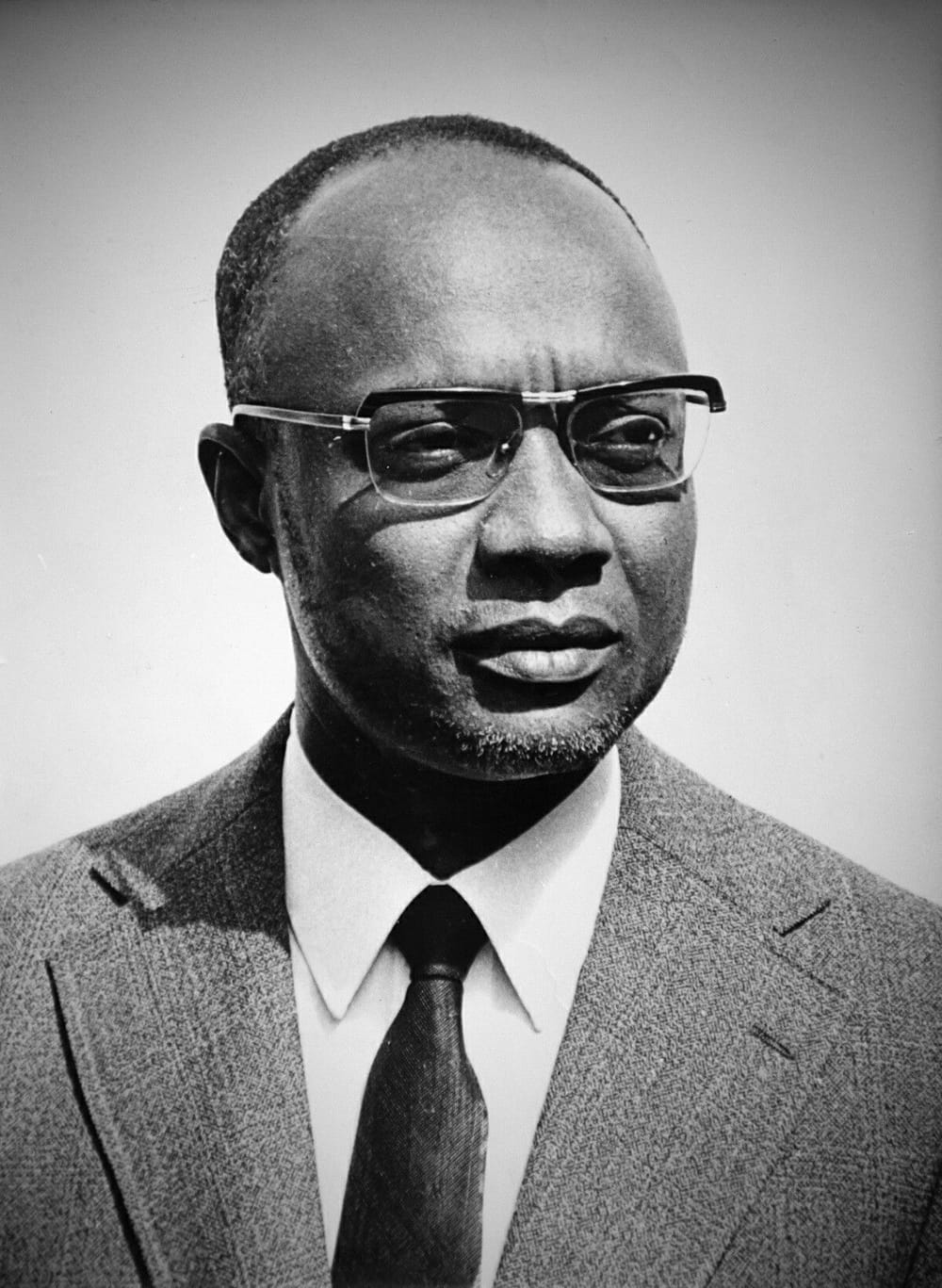
And this is where the football leads you to history.
Cape Verde’s independence didn’t happen by accident. It was fought for. And the man who led that fight was Amílcar Cabral.
Cabral was both an intellectual and a guerrilla leader. He led the struggle for the independence of Guinea-Bissau and Cape Verde from Portuguese colonial rule. But what made Cabral different from many revolutionary leaders was his understanding that military victory alone wasn’t enough. People also had to reclaim their language, their culture, their history, their identity. You can free a country from a colonizer, but if the colonizer’s worldview still lives in the minds of the people, the freedom is incomplete.
His writings on culture, liberation, and anti-colonial resistance continue to influence movements around the world. He was assassinated in 1973, just months before Guinea-Bissau declared independence. Cape Verde gained independence in 1975.
I didn’t learn any of this in school. Most people didn’t. But millions learned it because a 600,000-person country held Spain to a draw and the world wanted to know why.
DR Congo: The Man Who Stood Still
During the 2025 Africa Cup of Nations and the 2026 World Cup, a man appeared in the stands at DR Congo matches who became internationally famous.
His name is Michel Kuka Mboladinga. He calls himself “Lumumba Vea.”
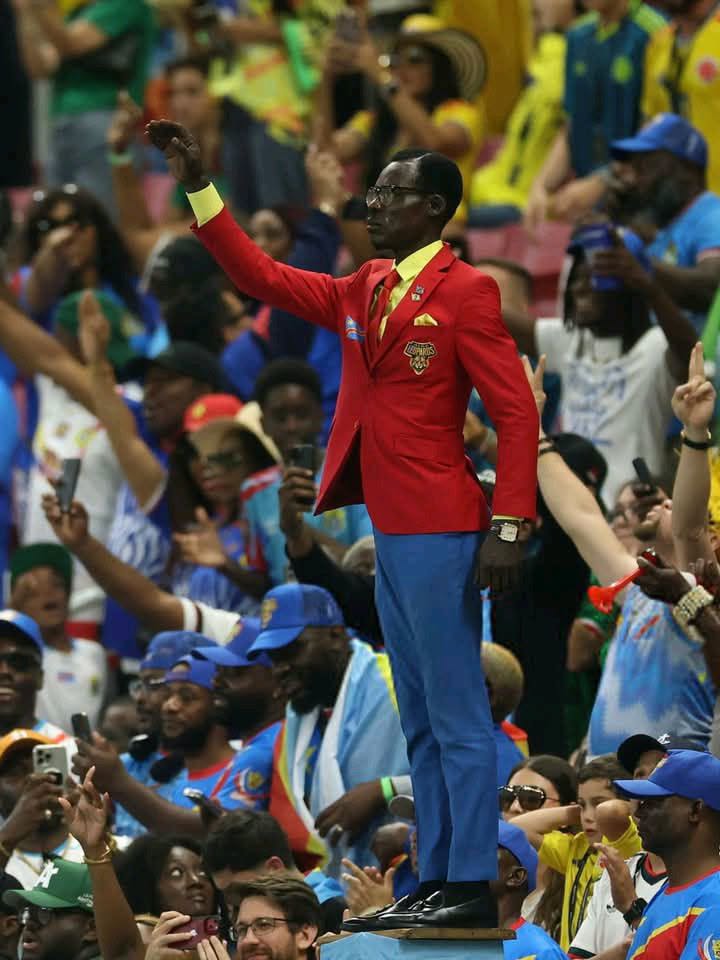
He attends every match dressed in a formal suit, modeled after the style of Patrice Lumumba. And instead of chanting or dancing or waving a flag, he stands completely motionless throughout the entire game. One arm raised. Silent. Still. A living statue.
He’s recreating Lumumba’s famous pose from the statue in Kinshasa. And his message is simple:
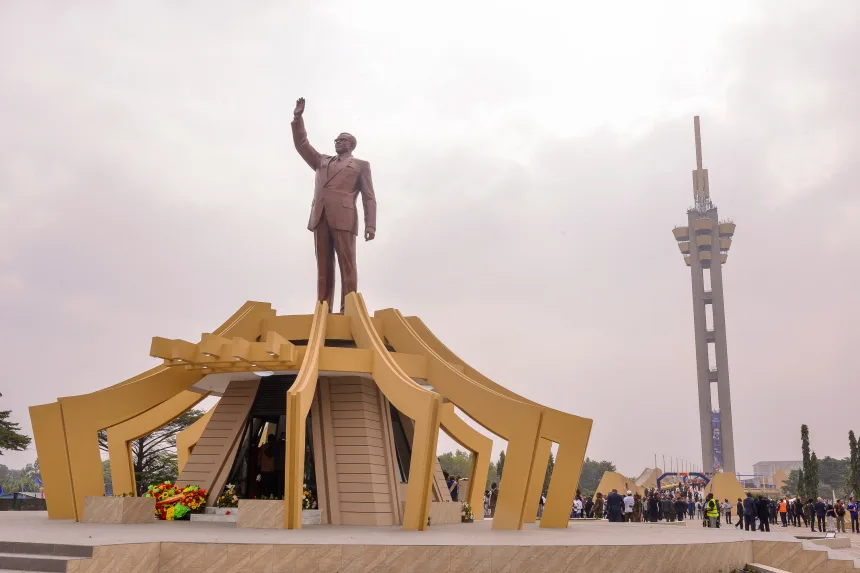
Remember Congo’s history. Remember Lumumba. Remember why independence mattered.
In a stadium full of noise, one man standing still became the loudest statement in the building. People saw his image and thought: who is Lumumba? Why does this man dress like him? Why does he stand like that?
And then they learned.
Patrice Lumumba and What Belgium Did to the Congo
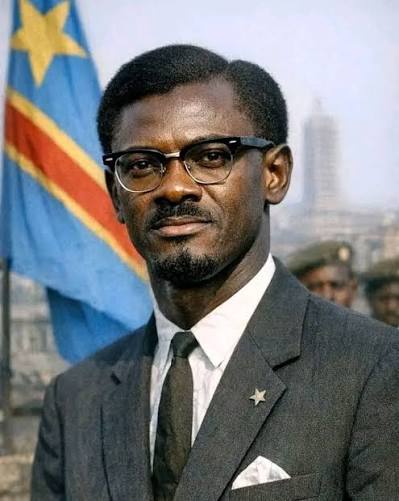
Patrice Lumumba was the first democratically elected Prime Minister of the independent Congo in 1960. He believed political independence meant nothing without economic independence. Congo’s land held copper, cobalt, uranium, diamonds, gold. Lumumba argued those resources should benefit Congolese people, not foreign companies and former colonial powers.
Within months of taking office, he was removed from power and assassinated in January 1961. Belgian officials were directly involved. Later investigations concluded Belgium bore moral responsibility for the assassination. The man who wanted Congo’s wealth to belong to Congo was killed for it.
But Lumumba’s assassination is not the beginning of the story. The beginning is worse.
King Leopold II and the Congo Free State
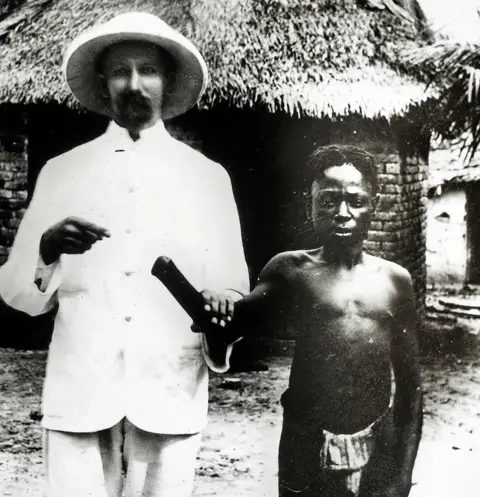
Between 1885 and 1908, the Congo was not a Belgian colony. It was the private property of one man: King Leopold II of Belgium.
Not Belgium’s. His. Personally.
Leopold never set foot in Africa. From Brussels, he controlled a territory 76 times the size of Belgium. He called it the Congo Free State. The name was a lie. There was nothing free about it.
When global demand for rubber exploded in the 1890s, Leopold turned the Congo into a forced labor camp. Congolese people were compelled to harvest wild rubber from the jungle. The work was brutal. Workers would slash rubber vines and coat their bodies in latex, then scrape it off, often taking skin and hair with it.
The quotas were impossible. And the punishment for not meeting them was designed to terrorize. Leopold’s soldiers, the Force Publique, were ordered to account for every bullet they used. To prove they hadn’t wasted ammunition, they were required to present a severed human hand for every bullet fired. When quotas weren’t met, hands were taken from the living. From men. From women. From children. Baskets of severed hands became the symbol of Leopold’s Congo. One administration official decorated his flower garden with severed human heads.
And it got worse. It always got worse.
The colonial powers didn’t just exploit African people for labor. They dehumanized them for entertainment. Across Europe and the United States, from the 1870s through the mid-20th century, human zoos existed. Real human beings, taken from their homes in Africa, Asia, and the Americas, placed in cages and enclosures designed to look like their “natural habitats,” and put on display for white families to gawk at. In Belgium, a “Congolese village” was built for the 1897 Tervuren exhibition. 267 Congolese people were brought to Brussels and displayed in a colonial park. Seven of them died during the exhibition. They were buried in unmarked graves nearby. In 1906, the Bronx Zoo in New York put a Congolese man named Ota Benga in a cage with an orangutan and labeled the display “The Missing Link.” In 1958, just two years before Congo’s independence, Belgium’s World Expo in Brussels featured another “Congolese village” where African families were displayed behind fences for European spectators.
These aren’t footnotes. These aren’t ancient history. 1958. People alive today remember this. The same year the World Expo displayed Congolese people like animals, Patrice Lumumba was organizing the political movement that would win Congo its independence two years later.
Villages were set rubber quotas. The gendarmerie were sent to collect. The process was accelerated by looting, arson, and rape. Women and children were imprisoned as hostages to force husbands and fathers to work.
Modern estimates of the death toll range from 1.2 million to 10 million people. Disease, famine, mass displacement, falling birth rates, and direct violence combined to devastate the Congolese population. When international outrage finally forced the Belgian government to take control in 1908, Leopold spent over a week burning documents in the palace furnaces to destroy the evidence.
In 2020, 60 years after Congolese independence, the Belgian king expressed “deepest regret” for “acts of violence and cruelty.” He did not explicitly mention Leopold.
A lot of what I know about African history, I learned from a YouTuber named Passenger Paramvir. Paramvir Singh Beniwal. An Indian guy who’s traveled to over 120 countries, including the DRC during active conflict. He talks about politics, history, language, tribal and ethnic communities with a depth and respect that most mainstream media doesn’t bother with. He made a video about escaping the war in DRC. He goes to places that most travel creators won’t touch and tells the stories that those places carry. If this post makes you curious about anything you just read, go watch his channel. He’ll take you deeper than I can.
This is the history that Michel Kuka Mboladinga carries into the stadium every time he stands motionless in his suit. This is why Lumumba matters. This is what independence meant.
Yoane Wissa: Resilience Made Physical
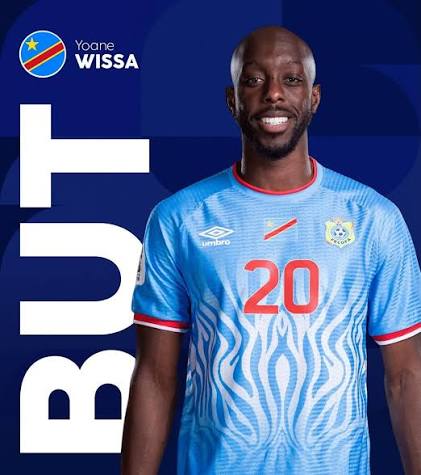
The DR Congo squad at the World Cup carried another story. Yoane Wissa. Striker. Born in France to Congolese parents. Chose to represent DR Congo internationally.
In 2021, a woman pretending to seek an autograph attacked him with acid while attempting to kidnap his infant daughter. The acid severely burned his face and eyes. Doctors feared he might permanently lose his vision. He underwent emergency surgery. Spent months recovering. And then he came back to elite football.
Wissa didn’t just return. He returned to represent Congo on the world stage. A man who was nearly blinded, who nearly lost his child, who survived something that would break most people, chose to wear the Congolese jersey and play for a nation whose history is defined by survival against impossible odds.
That’s not a sports comeback. That’s a continuation of the same story that started with Lumumba.
The Names Nobody Taught You
Football led people to Lumumba. Lumumba led them to Leopold. And from there, an entire history opened up. Names that should be as famous as any world leader but aren’t, because the people who write history books weren’t the people these leaders fought for.
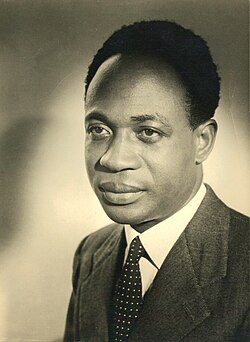
Kwame Nkrumah led Ghana to independence in 1957, the first sub-Saharan African colony to break free. His vision: “Africa must unite.”
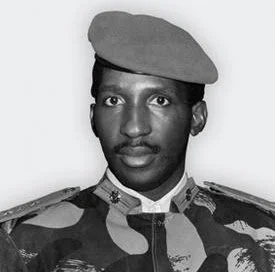
Thomas Sankara governed Burkina Faso from 1983 to 1987. Fought corruption. Refused luxury. Drove a Renault instead of a presidential motorcade. Planted millions of trees. Advanced women’s rights. Rejected foreign aid dependency. Called “Africa’s Che Guevara.”
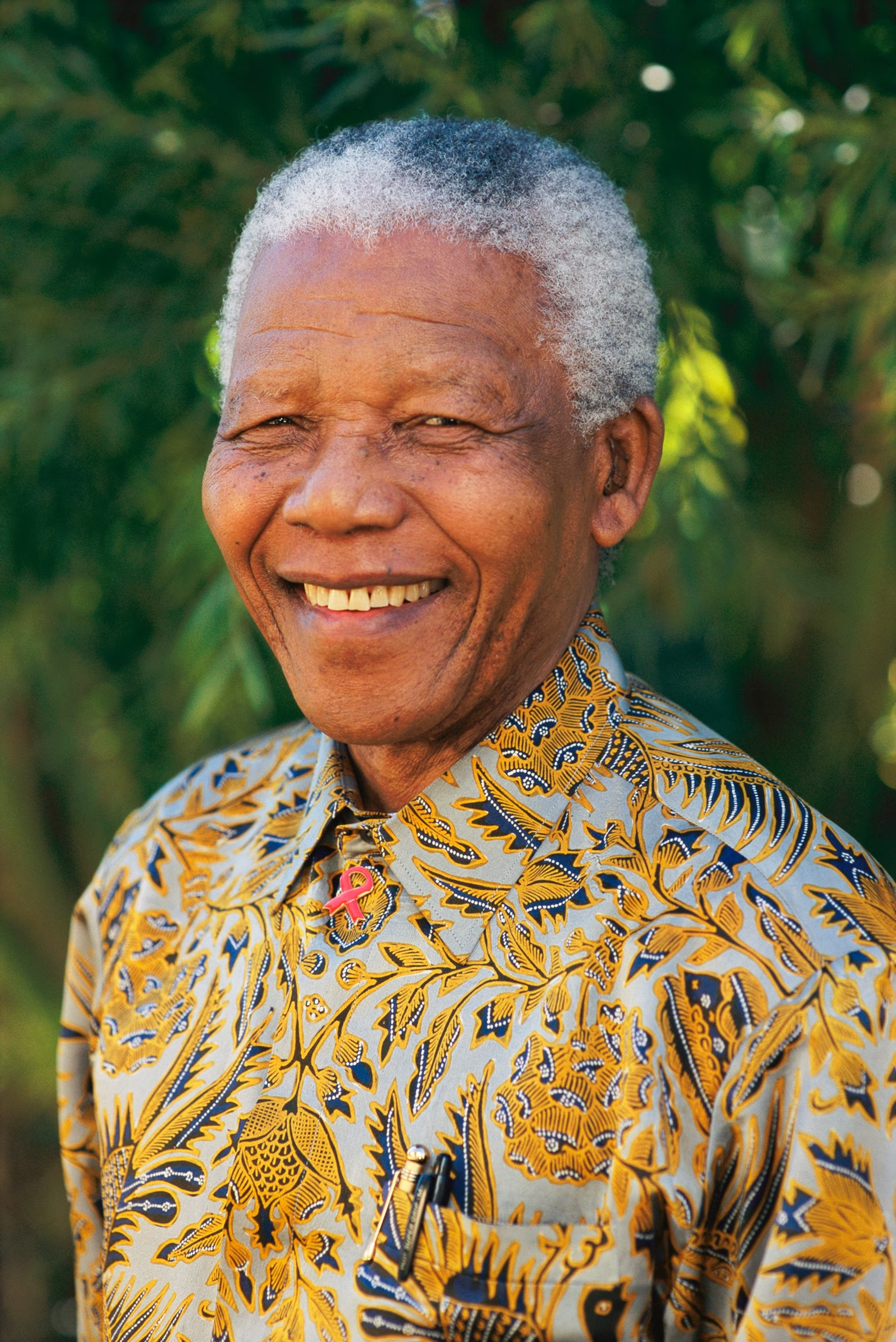
Nelson Mandela spent 27 years in prison fighting apartheid. Became South Africa’s first democratically elected president. Chose reconciliation over revenge.
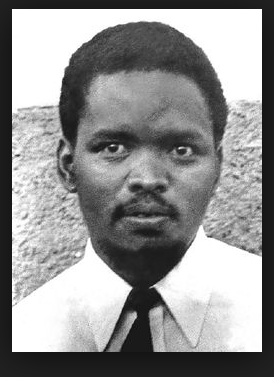
Steve Biko founded the Black Consciousness Movement. Argued that psychological liberation had to come before political liberation. “The greatest weapon in the hands of the oppressor is the mind of the oppressed.” Beaten to death in police custody in 1977.
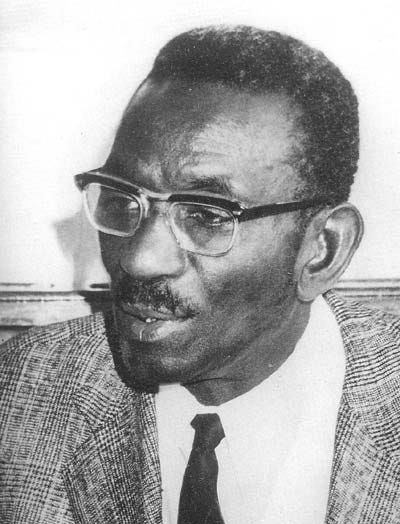
Cheikh Anta Diop argued that ancient Egypt should be understood as an African civilization, not separated from African history. His work challenged Eurocentric narratives and inspired generations of African scholars.
These names share a common philosophy: Africa should control its own resources. Political freedom without economic independence is incomplete. African history should be written by Africans. Colonialism didn’t truly end if foreign powers still control the economies.
None of this is taught in most classrooms around the world. But millions of people learned these names because they watched football.
Why Football Carries History
Across Africa, football carries meanings that go beyond sport.
National teams represent independence. Flags represent sacrifices made by previous generations. Matches become celebrations of survival after colonialism, dictatorship, civil war, and apartheid. That’s why a man like Michel Kuka Mboladinga is celebrated. He’s not just a football fan. He’s transforming the stadium into an act of remembrance.
That’s why Yoane Wissa’s comeback matters beyond sport. His resilience mirrors the resilience of a nation that survived Leopold, survived Lumumba’s assassination, survived decades of exploitation, and is still here.
That’s why Cape Verde’s World Cup run brought tears to 600,000 people. Because a tiny nation proving it belongs on the biggest stage isn’t just a football result. It’s a continuation of what Amílcar Cabral started when he said freedom means reclaiming your identity.
Football didn’t teach the world tactics or formations. Football taught the world history. The history of people who fought for their right to exist, to govern themselves, to control their own resources, to tell their own stories. And every time one of these nations takes the pitch at a World Cup, that history walks onto the field with them.
The world just had to pay attention. And once it did, it couldn’t stop learning.
Why I Wrote This
I learned about African history because I chose not to stay ignorant. It’s one of seven continents. And people don’t pay attention to its past because the people on that continent were the most abused and exploited in human history. The majority of history writers wrote history to make the oppressors look like the good guys. They framed colonialism as civilization. They framed exploitation as development. They framed slavery as economics. In most chapters of history, the powerful did something questionable but you can at least argue they built something. In Africa, there’s no argument. It was pure exploitation. Hands chopped for rubber. People in cages for entertainment. Resources stolen to build European capitals while the continent they came from was left in ruins.
Historians have been racist. Openly, academically, institutionally racist. Scientists classified African people as “intermediate” between apes and Europeans. They put a Congolese man in a cage at the Bronx Zoo and labeled him “The Missing Link.” They built entire academic frameworks around the idea that some humans were less human than others. That’s not a fringe theory from a dark corner of history. That was mainstream Western science for over a century.
You can never erase centuries of that. You can’t undo it with a king’s “deepest regret” or a museum plaque or a renamed street. The damage is structural. It’s economic. It’s psychological. Africa still struggles today, and the roots of that struggle lead directly back to the exploitation this post describes.
I may disagree with a lot of African politics. That’s my right and theirs. But I can never overlook the oppression these people went through while the history books pretended it didn’t happen. Or worse, pretended it was progress.
This blog is written in English. That’s my own victim of colonial past. I speak a language that’s not native to where I’m from. India knows this history too. Different colonizer, same playbook. Different continent, same extraction. We are all connected by what was done to us and by what we built after.
And even within that shared history, the racism ran deep in ways that should make us uncomfortable. Gandhi, the most celebrated peaceful freedom fighter in history, the man India calls the Father of the Nation, fought for Indian rights in South Africa while saying Black people weren’t equal. He defended Indians. He argued for Indian dignity. But he drew a line at Black South Africans. Some of us are the same shade. That is wild. The icon of nonviolent resistance saw the people standing next to him in the same colonial system and decided they deserved less. If even Gandhi carried that poison, imagine what the systems that created him were designed to do.
While Africa has a lot of struggle to this day, the people on that continent are still humans. That shouldn’t need to be said. But given what history did to them, and what history books did to their story, it does. They are still here. They are still building. And when their football teams take the pitch at a World Cup, they carry all of it with them.
Pay attention. Learn the names. Read the history. And never let anyone tell you it doesn’t matter.